Saint Lucia Halls of Justice
Challenge
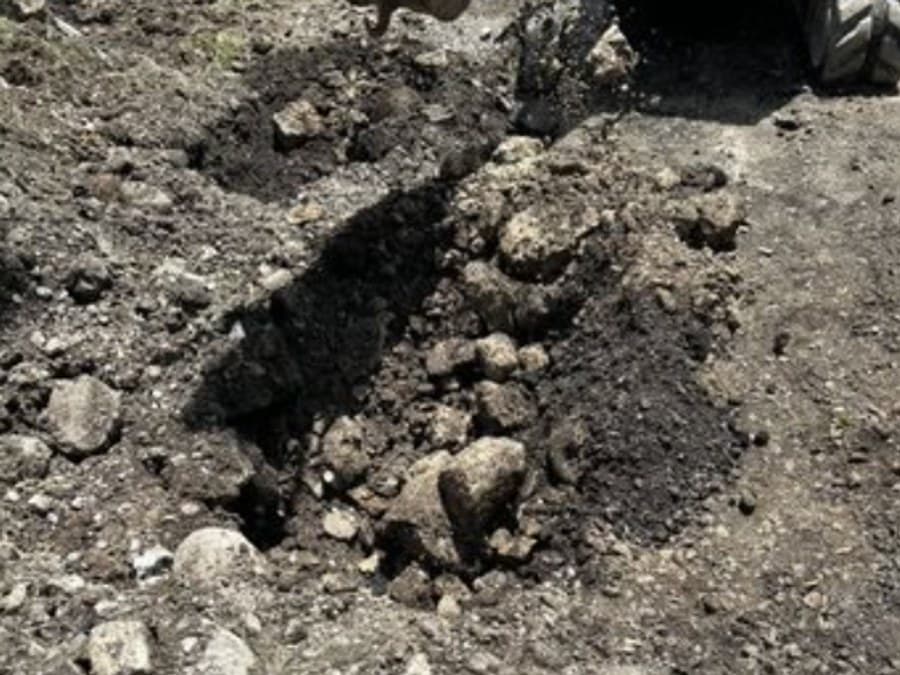
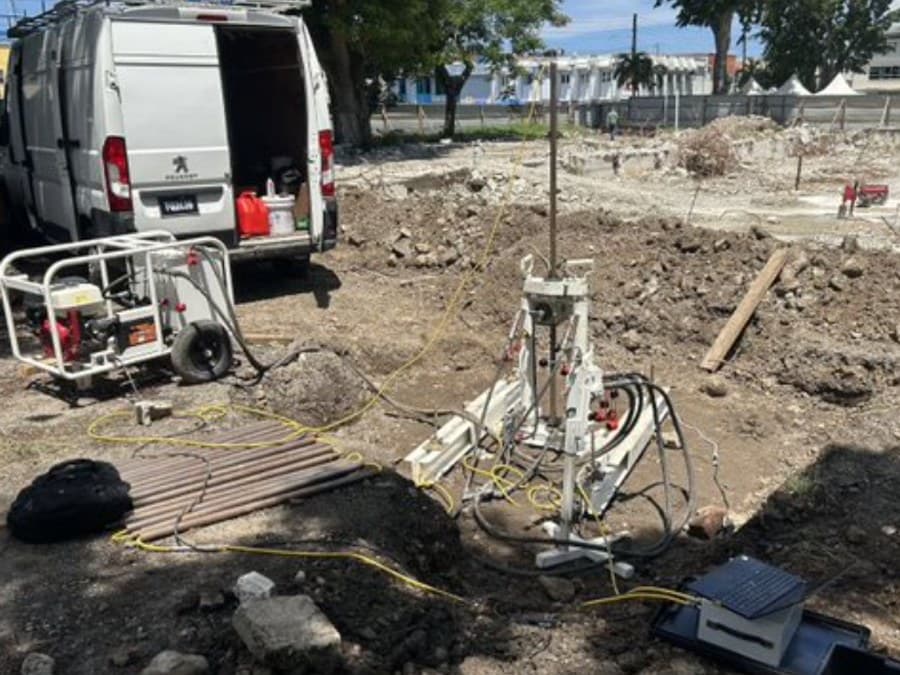
The Halls of Justice site occupies a former demolition lot in the Castries basin, an area of unpredictable made ground. Large rounded boulders, likely historic Castries River fill, repeatedly defeated conventional CPT rig anchoring, while a high water table limited how deep test platforms could safely be excavated.
Scope
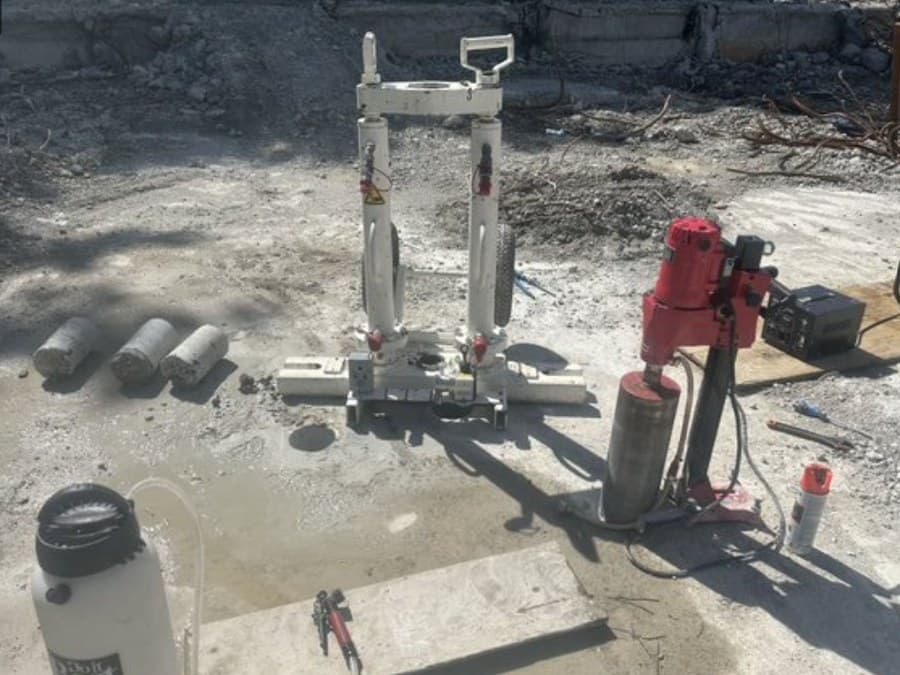
CPT and DPSH testing beneath both the main courthouse building and a separate annex footprint, including soundings advanced through an existing reinforced concrete slab.
Methodology
Where boulders blocked anchoring, GID’s field team relocated test points, excavated graded platforms, and substituted DPSH at one location where its lower reaction-force demand kept work moving. At two points, 150 mm cores were cut through the existing slab and threaded rod anchors grout-set to provide reaction force for the CPT rig’s 15-tonne push capacity. Data was processed in CPeT-IT and CLiq for static and seismic interpretation.
Findings
CPT resolved a complex stratigraphy beneath the main building: soft to medium-stiff clay interbedded with denser sand-gravel, consistent with alluvial and made-ground conditions. DPSH at obstructed locations confirmed depth to denser material and supplied N-values correlated to the CPT record. Beneath the annex, a weak near-surface zone required careful foundation selection. Liquefaction potential, assessed using the Robertson and Wride (1998) method, indicated susceptibility in the upper sandy strata under the design seismic event, and Seismic Site Class was established from CPT-based Vs estimation.
Outcome
GID’s report gave the design team pile axial capacity parameters, unit skin friction and end bearing derived via the ICP-05 method, for the main building, and shallow foundation parameters for the lower-loaded annex. The liquefaction and seismic site class findings let the structural engineer finalize lateral force calculations, advancing the project past one of Castries’ more obstruction-prone urban sites.